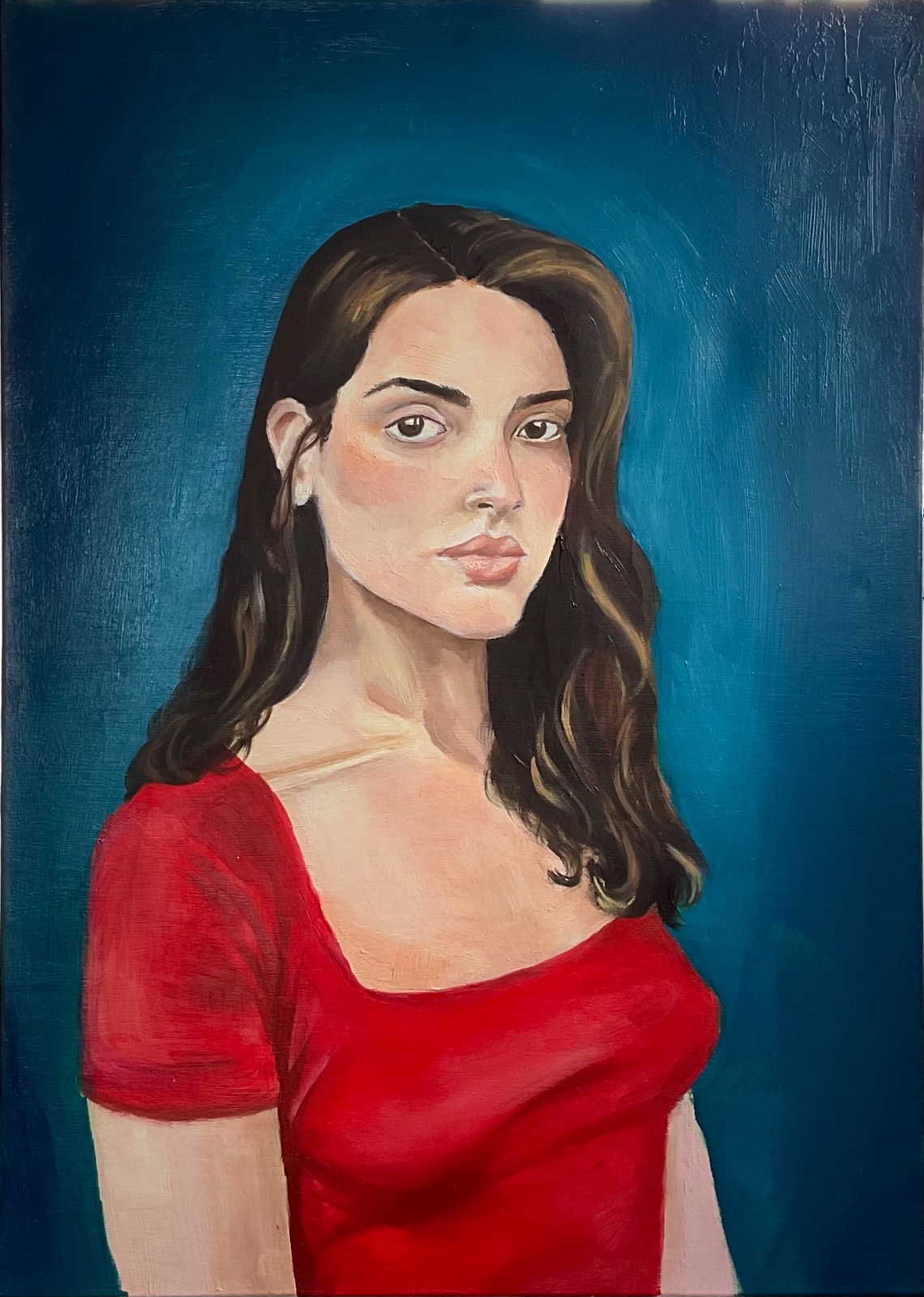
Born in Istanbul in 1999, he completed his master's degree in Painting at Hacettepe University's Institute of Fine Arts.
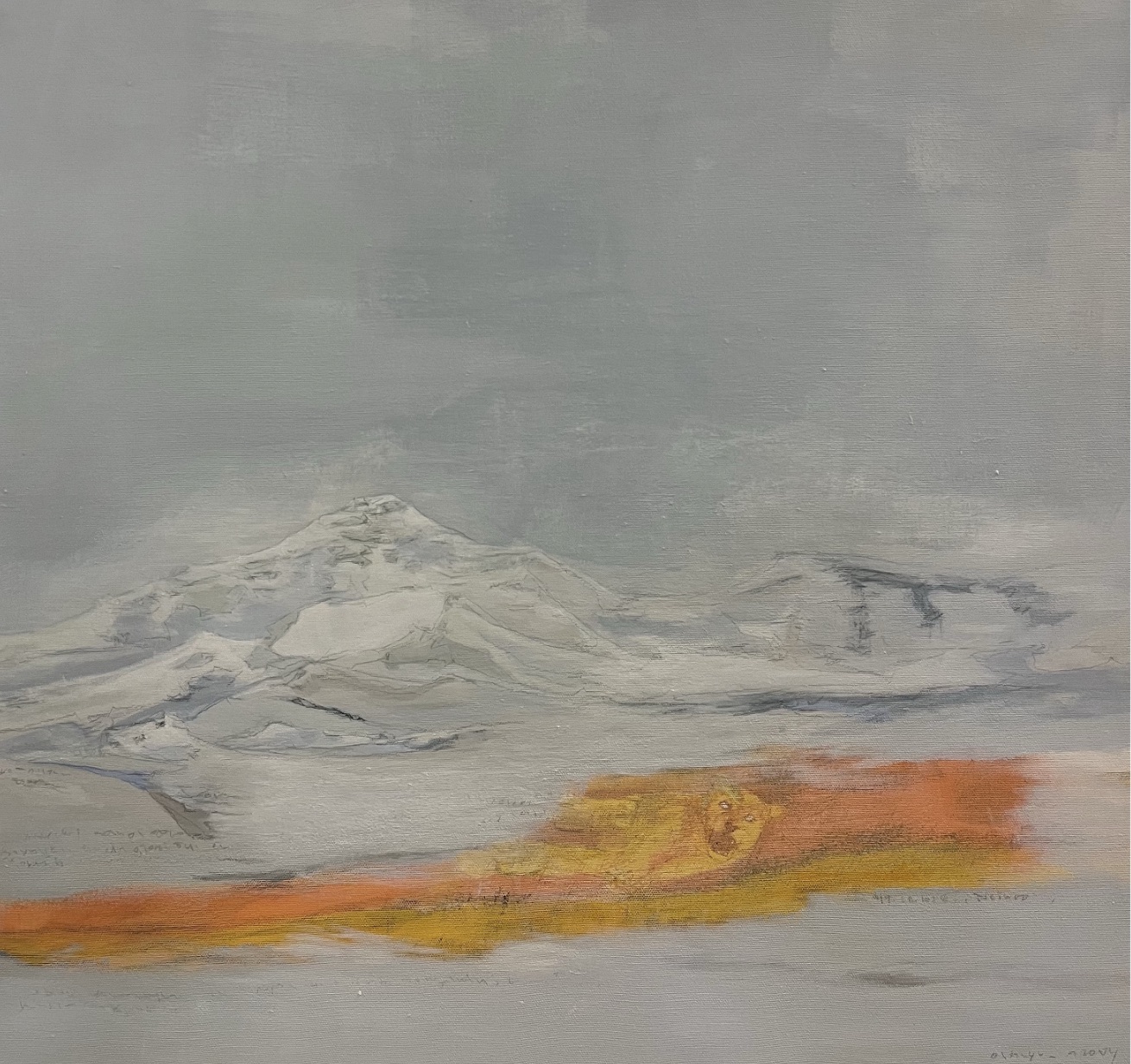
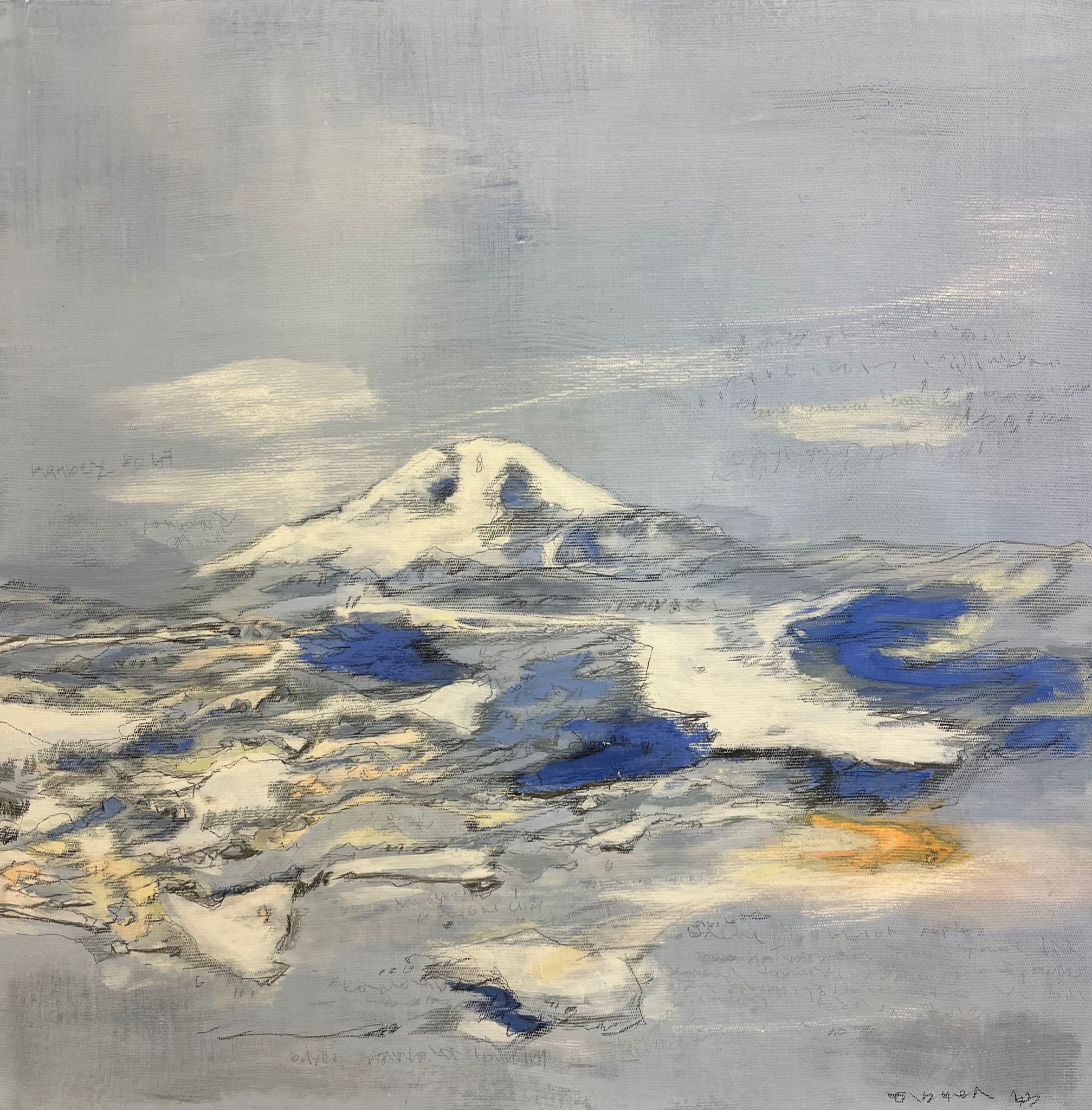
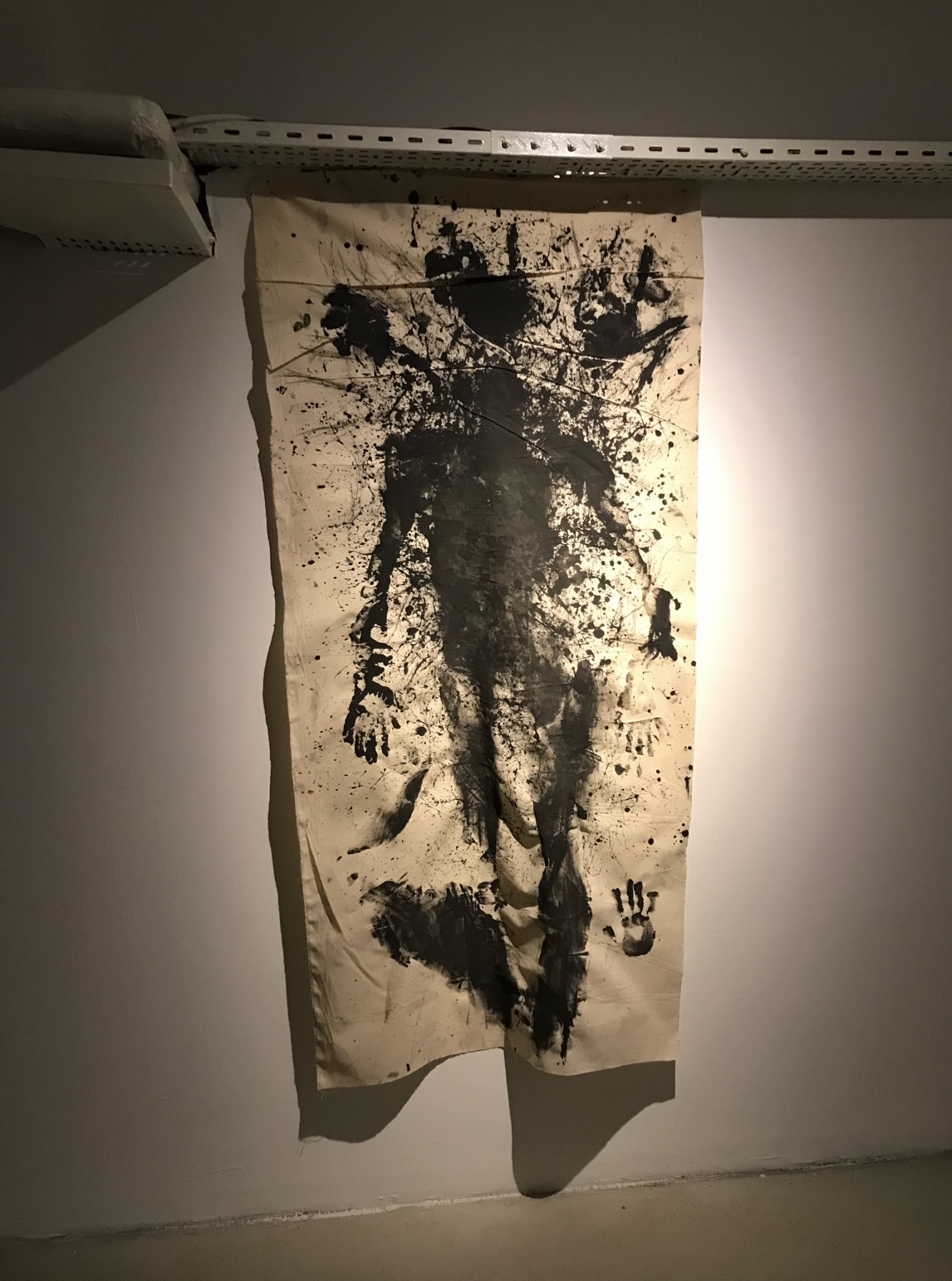
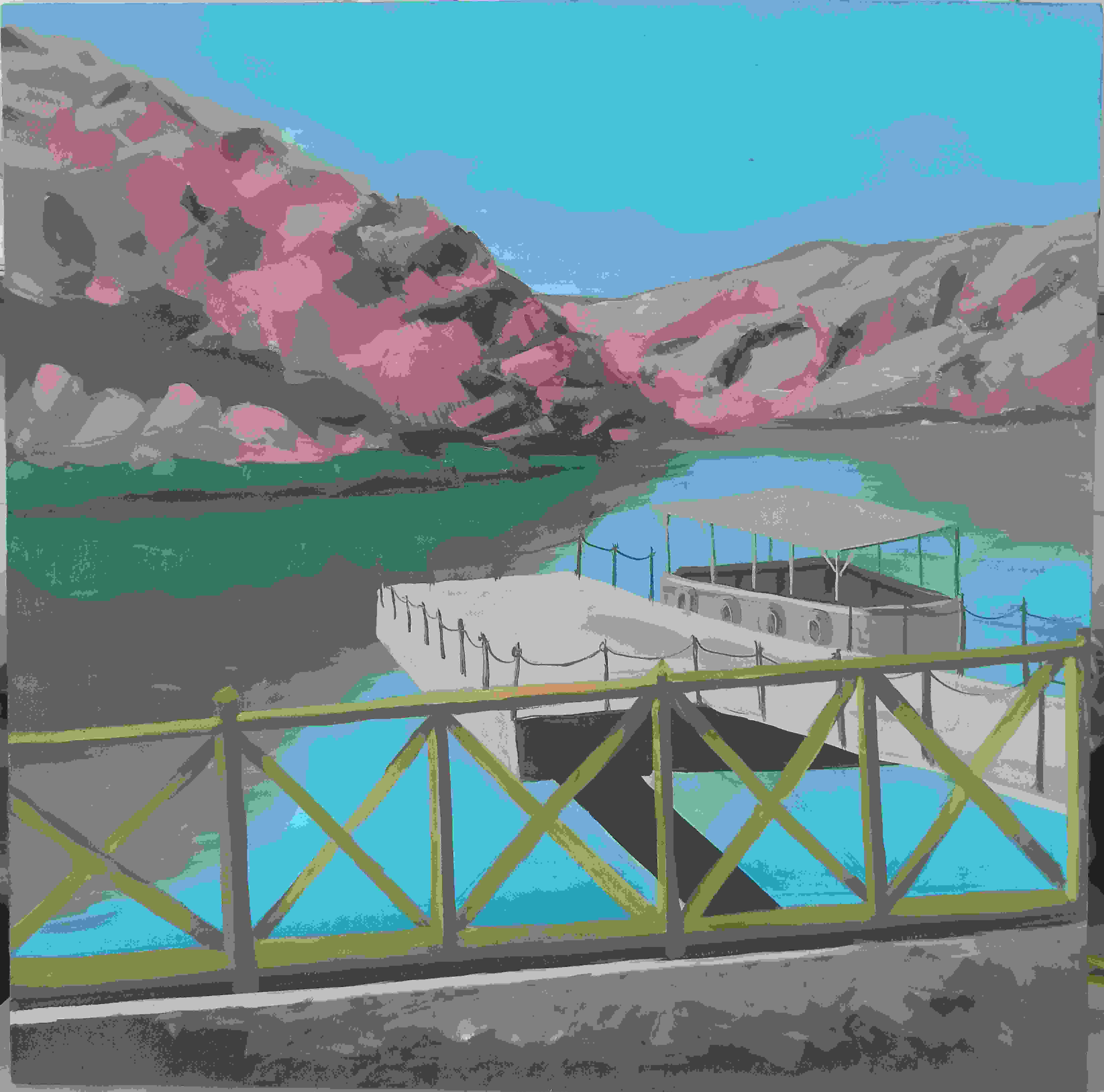
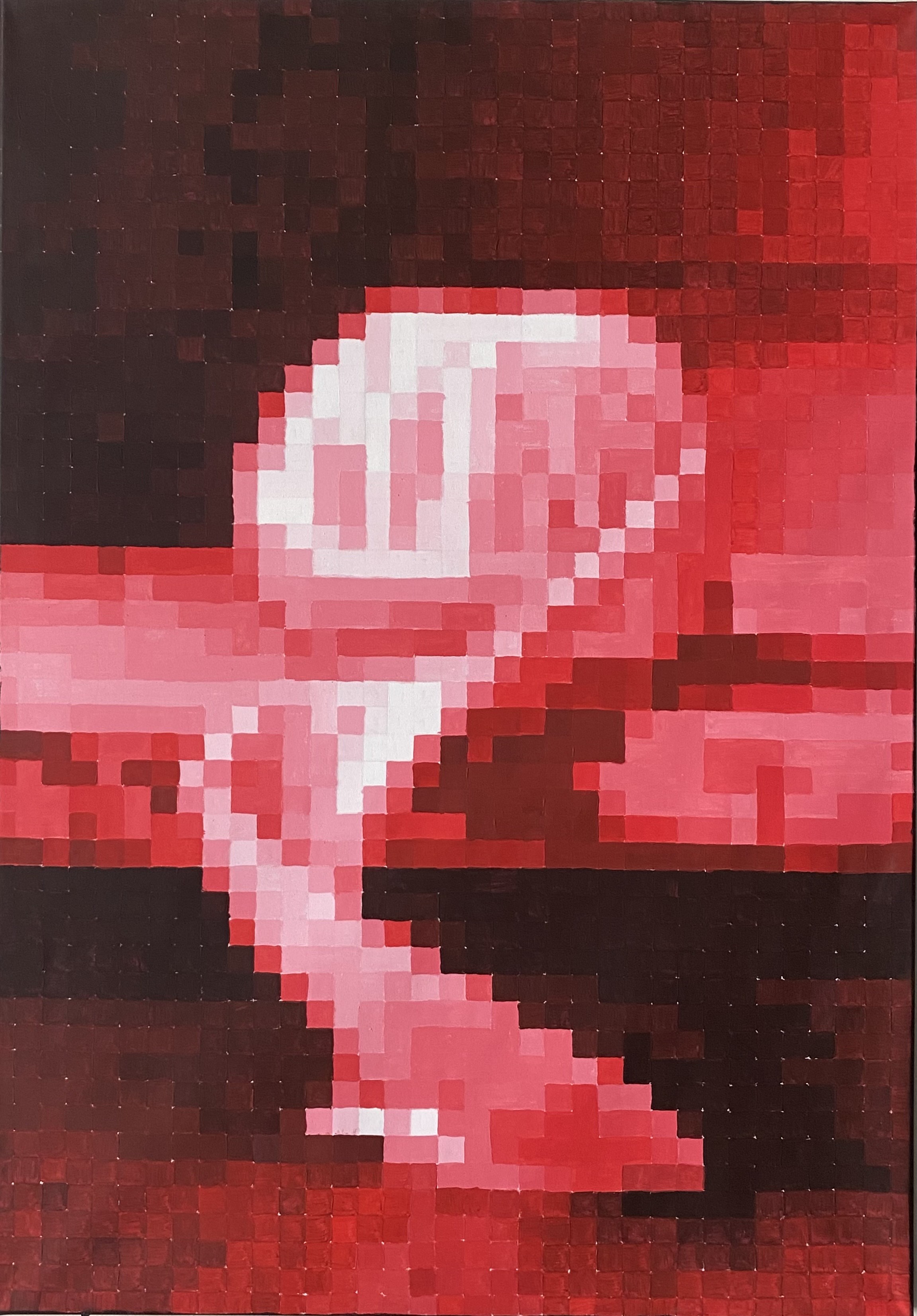
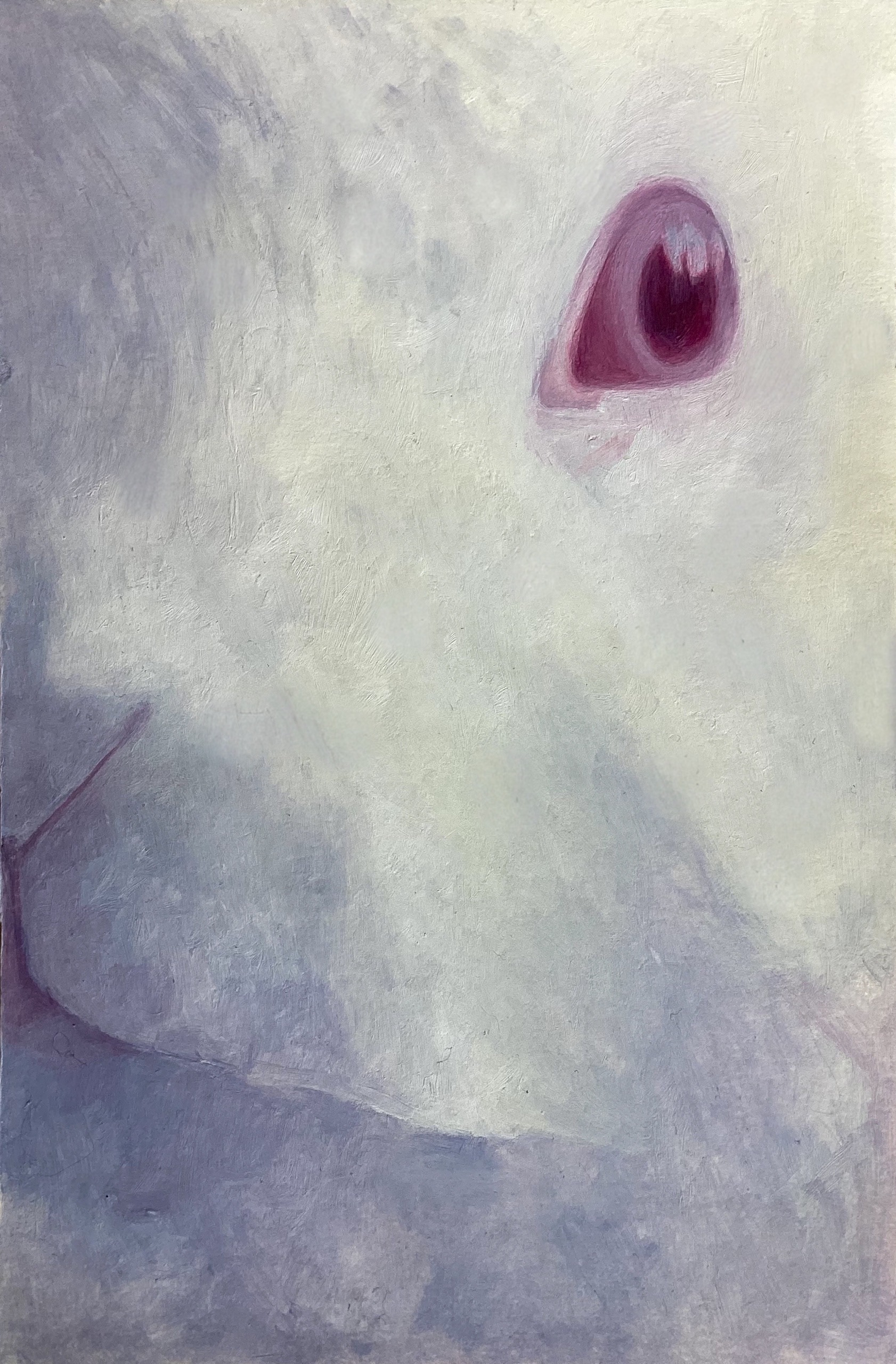
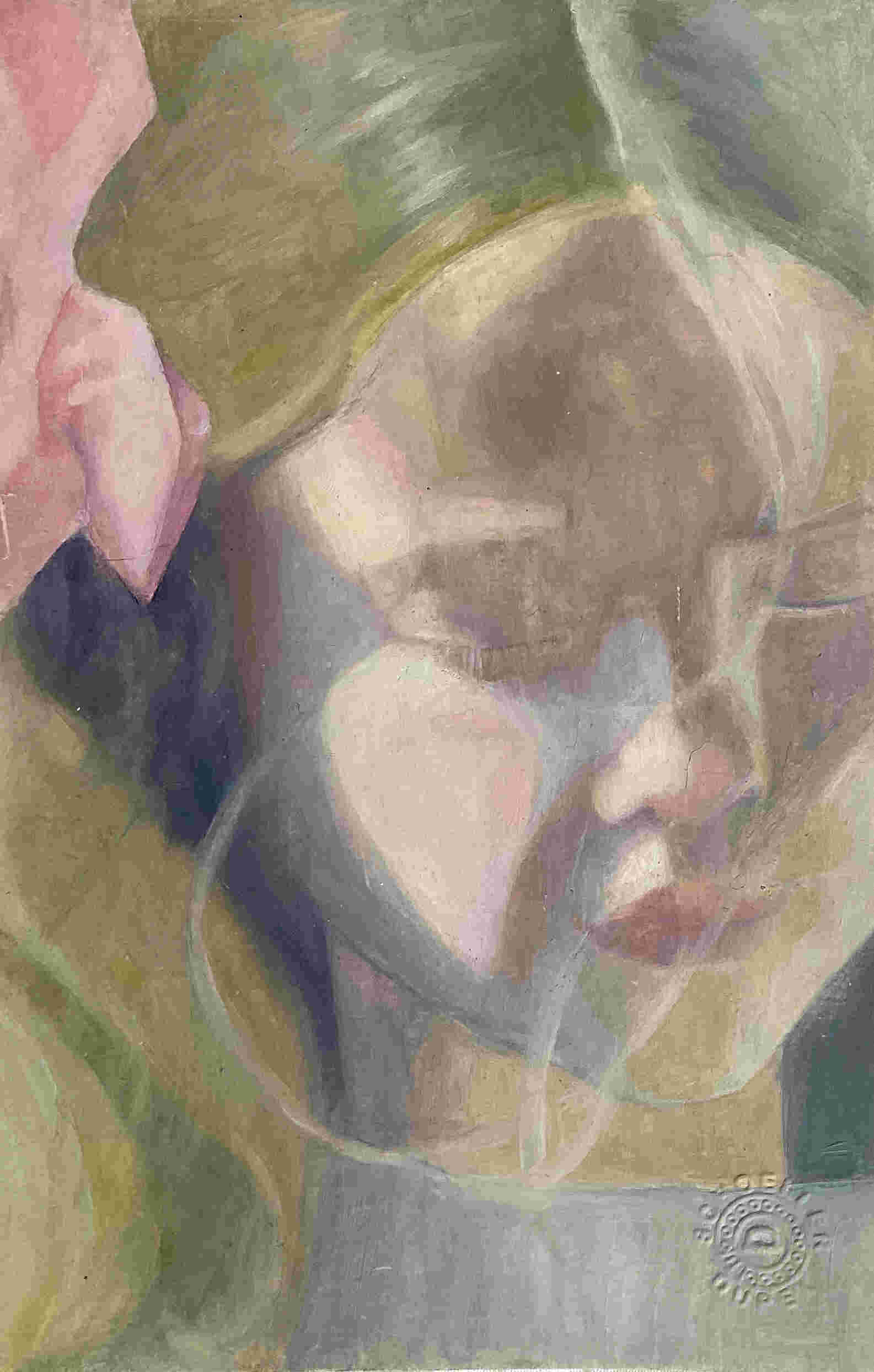
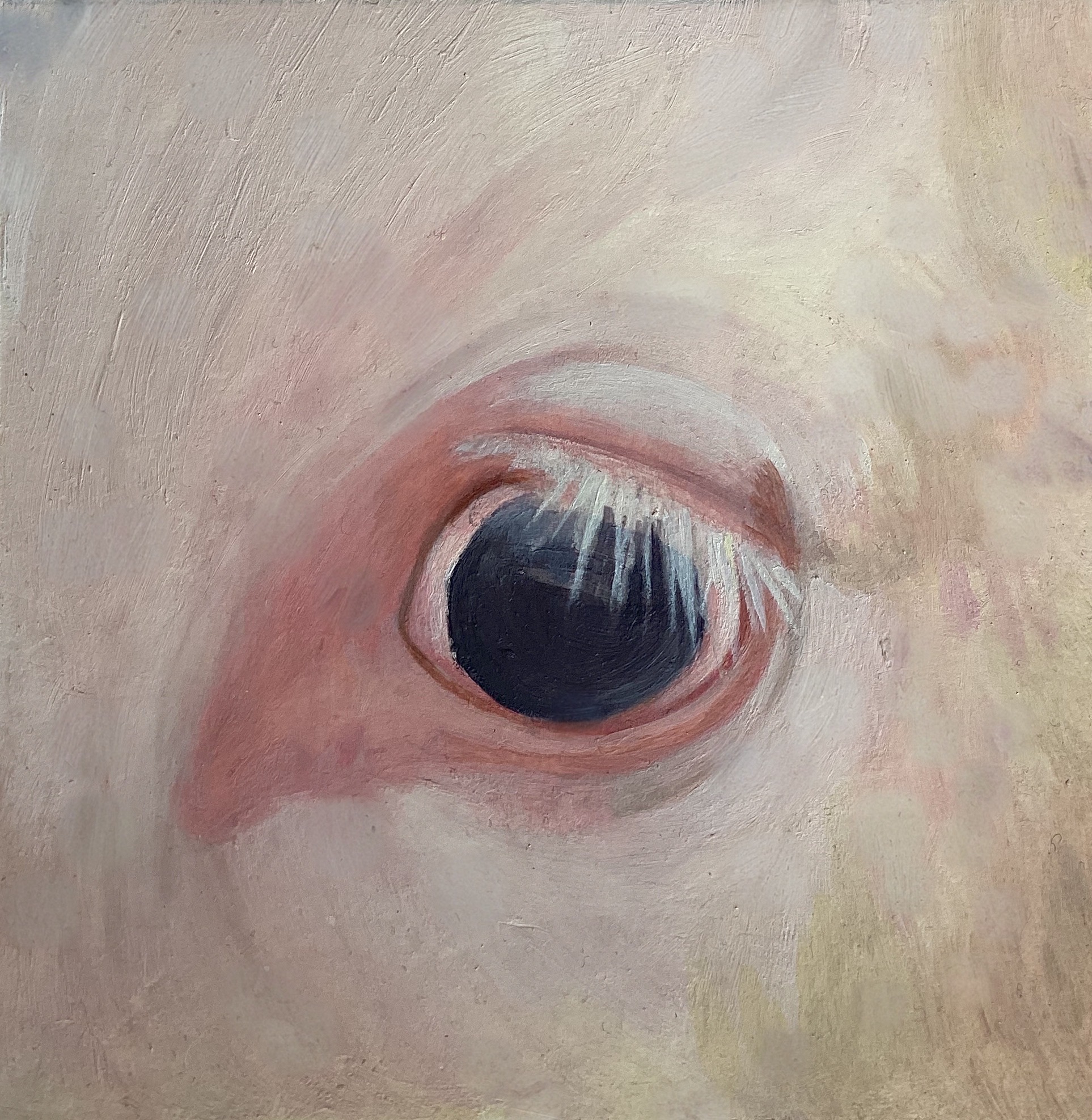
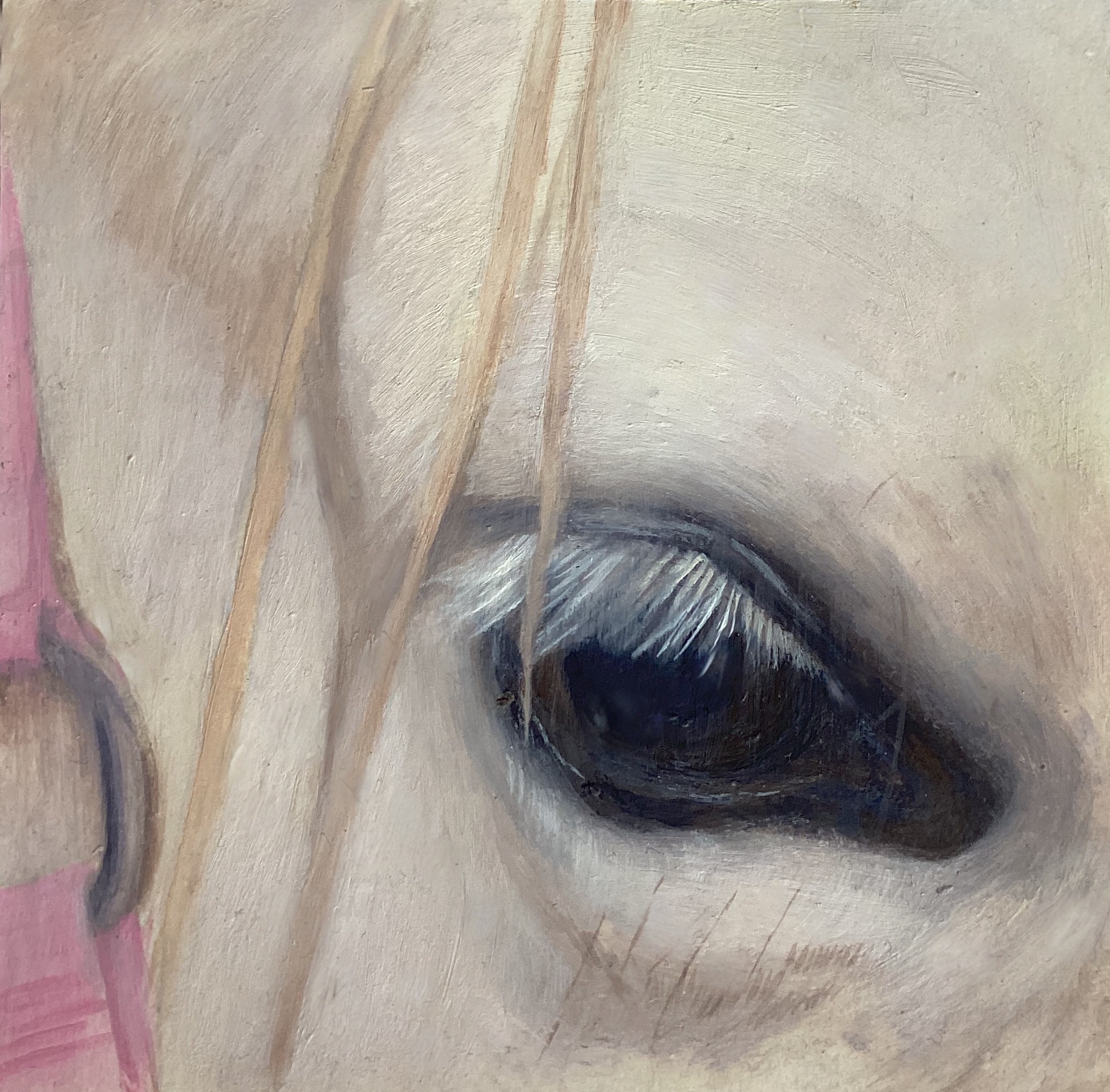
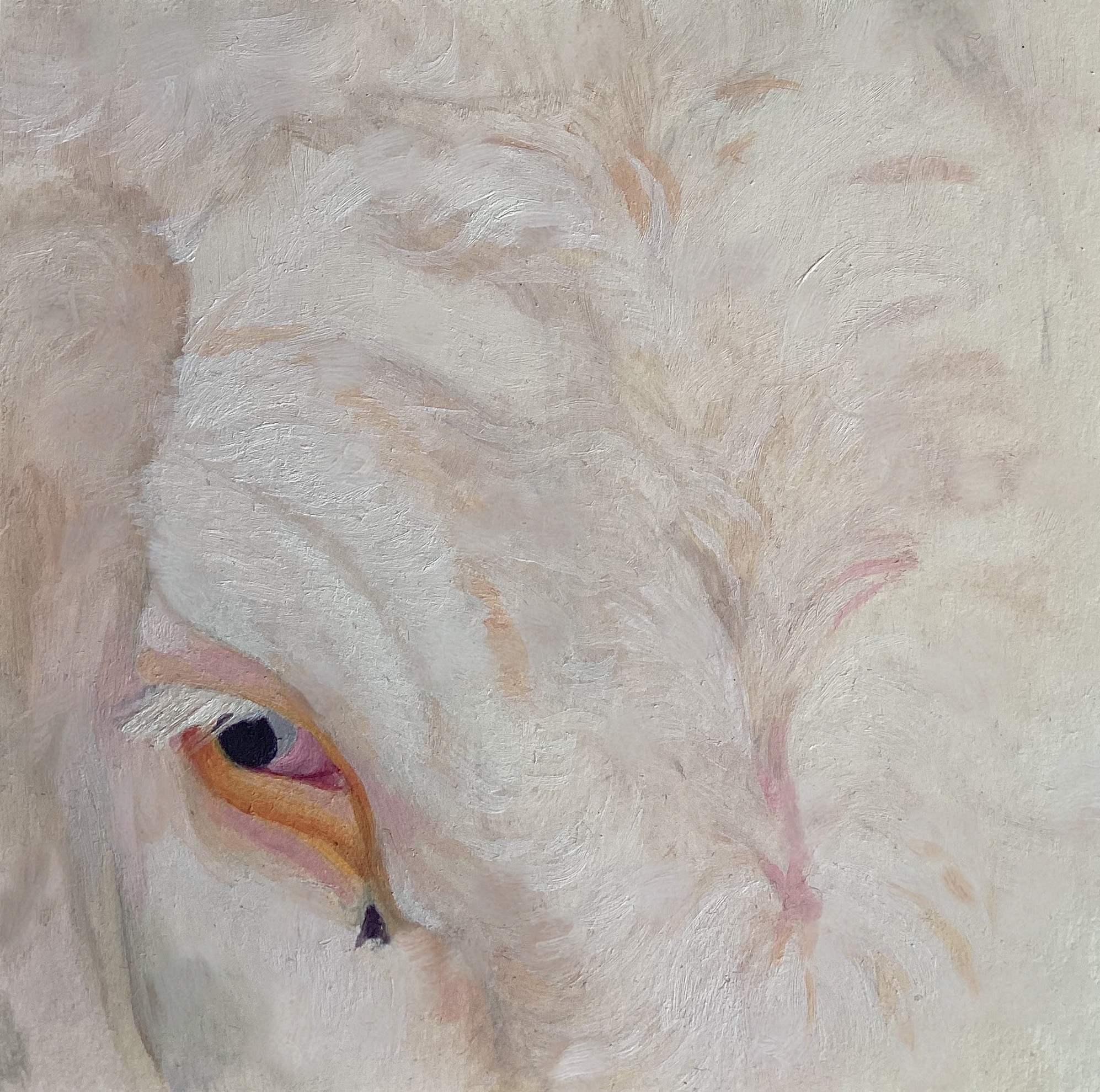
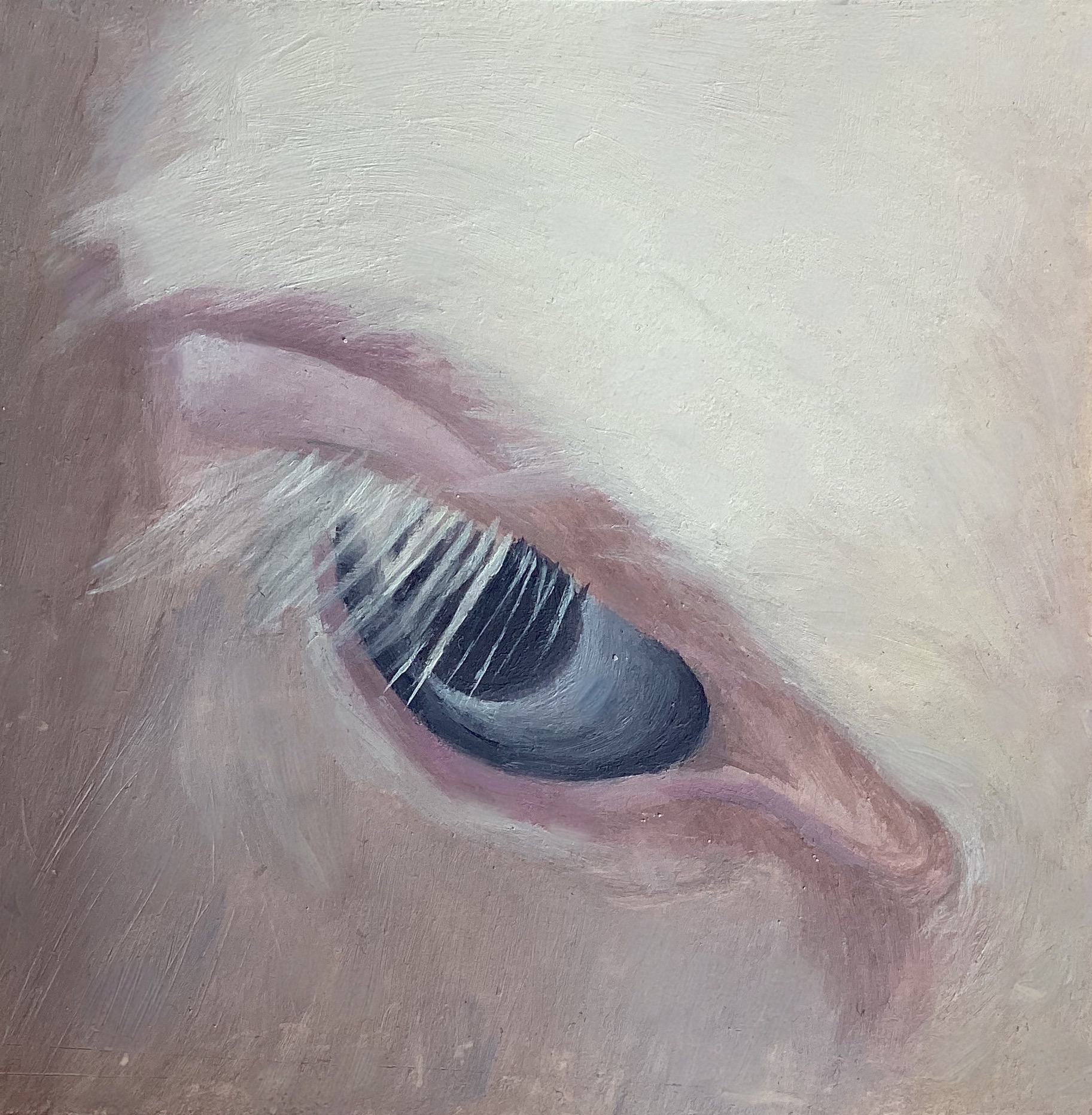
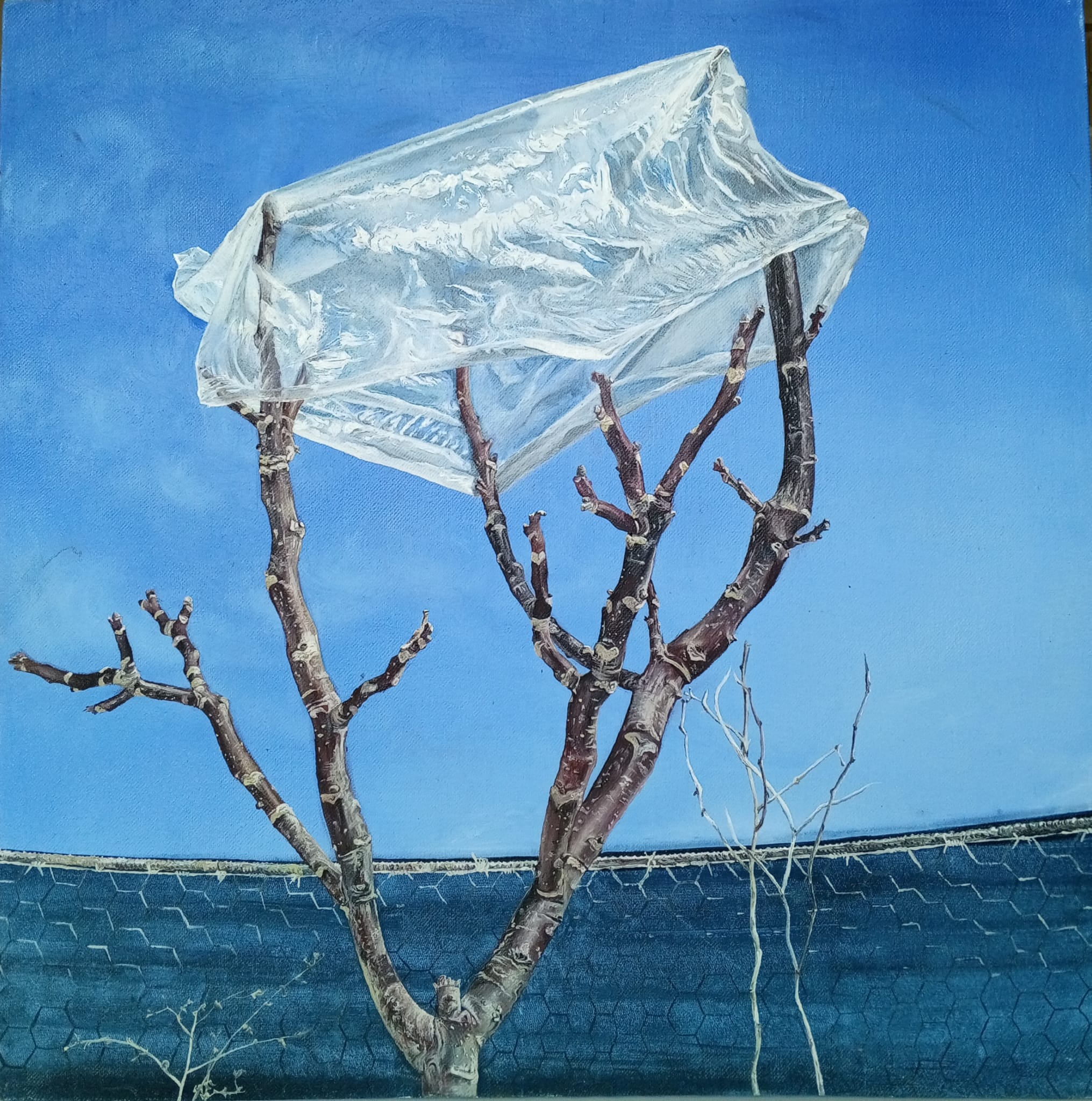
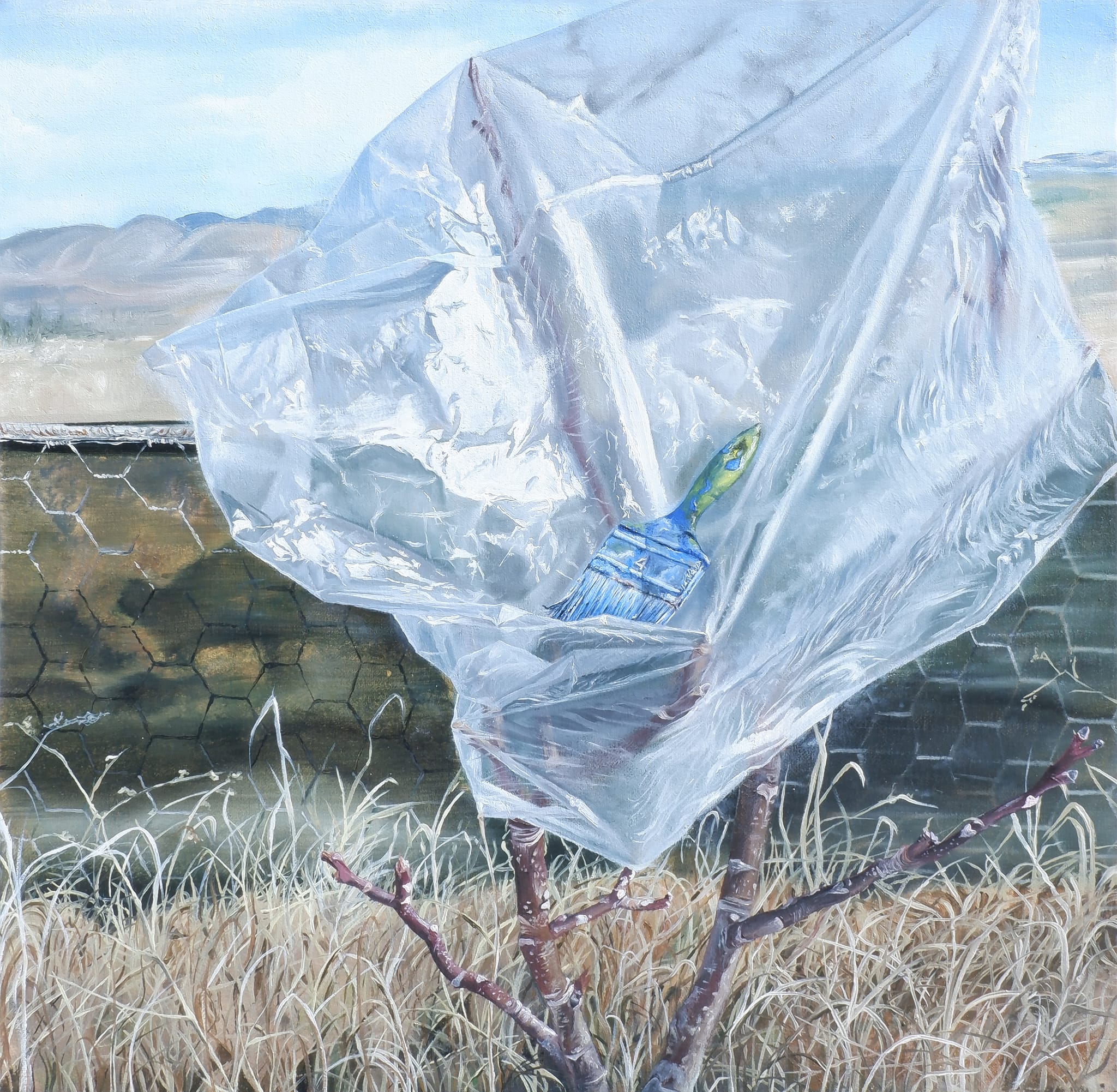
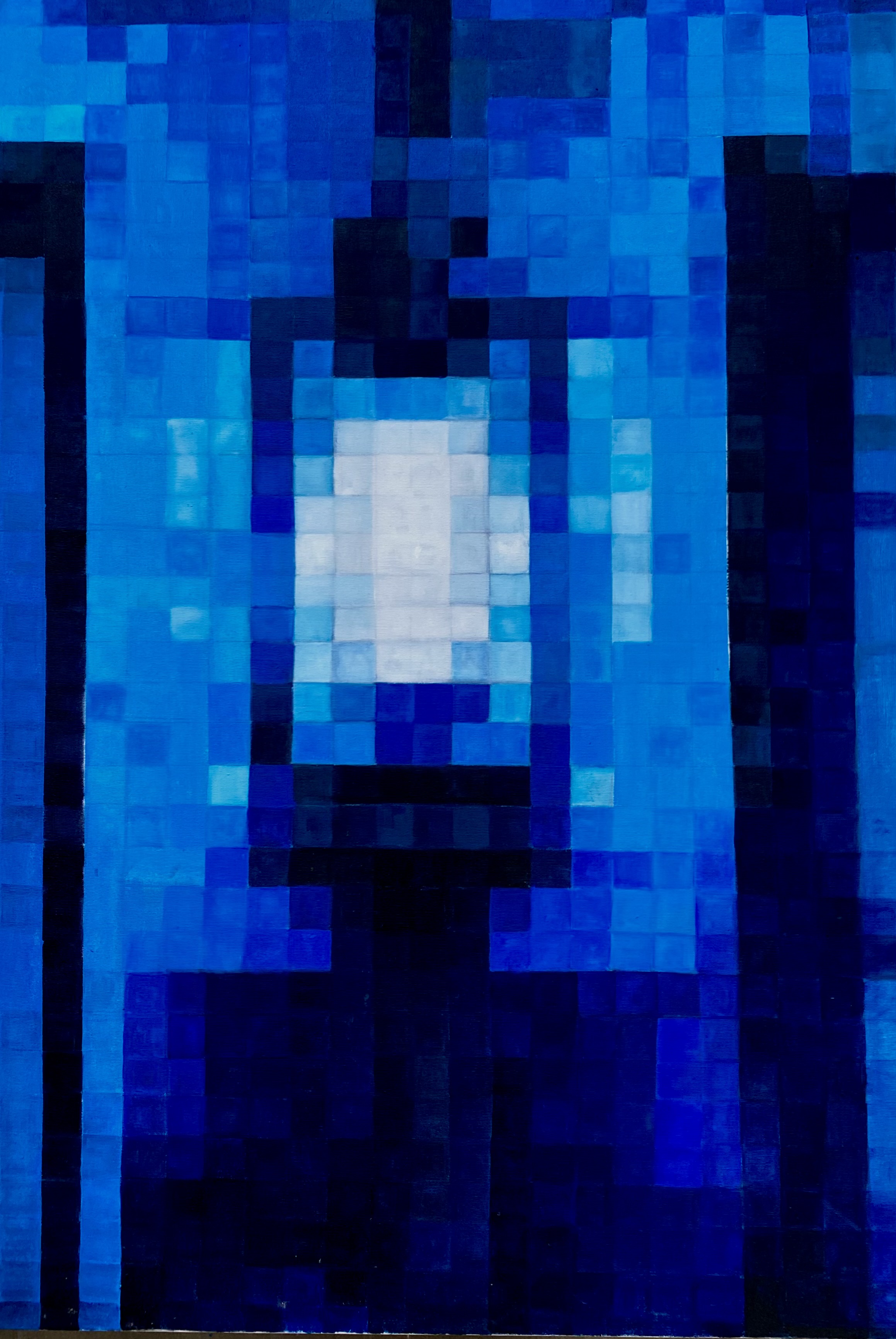
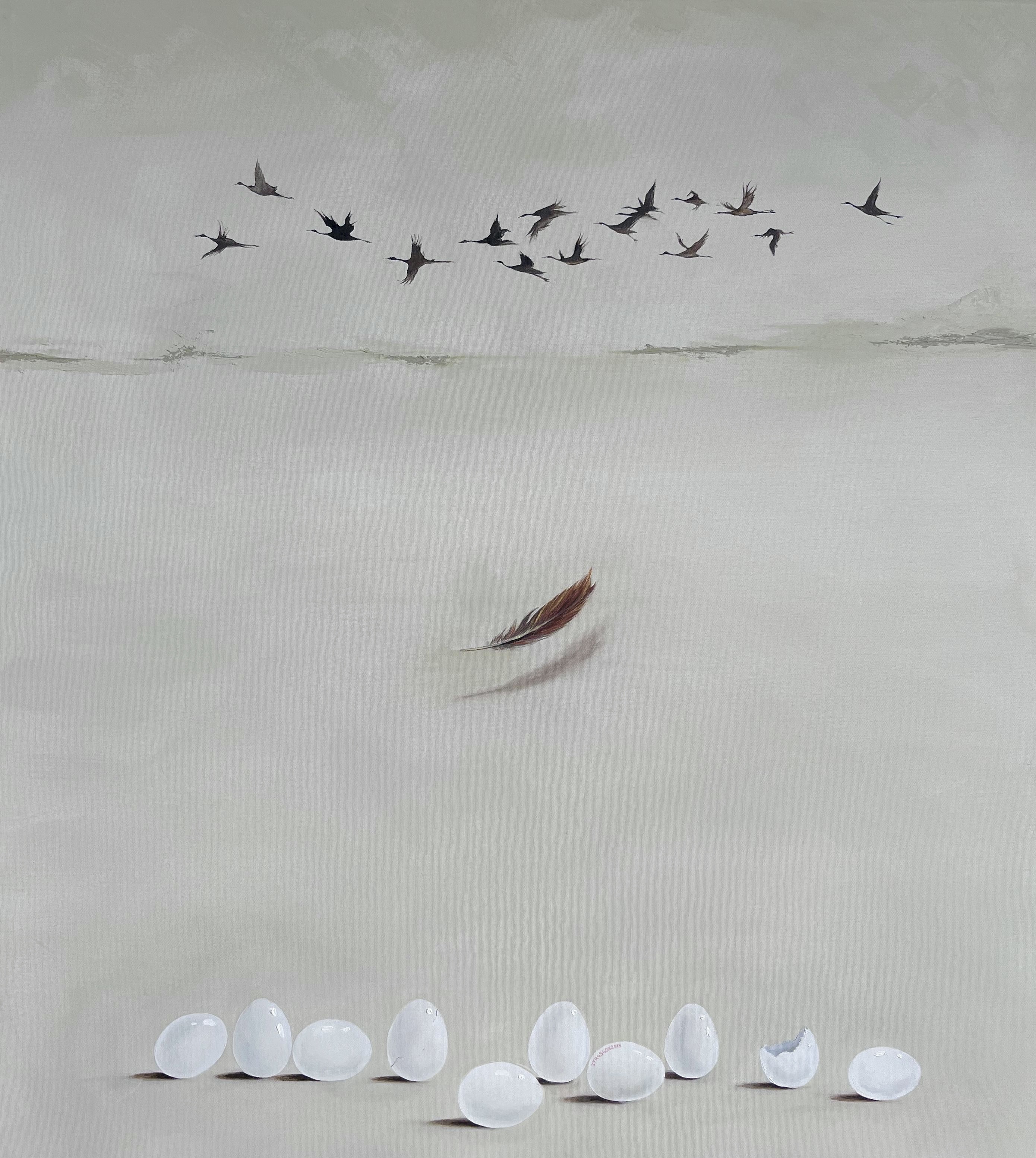
His artistic production centers on ecological transformation, the human-nature relationship, and the objectification of animals within the framework of the Anthropocene. The minimal mountain figures prominent in his works draw inspiration from Japanese aesthetics and, in line with Arne Næss's deep ecology, remind us of human existential limitations. Through a sensory-focused visual language, Kara aims to enable the viewer to experience both the aesthetic and intellectual dimensions of ecological disruptions.
He depicts human impacts on the ecosystem and the consequences, particularly on predatory animals. Herbivores and other creatures have been directly affected, and species that are crucial to the ecosystem, such as lions, are the most visibly experiencing this destruction.
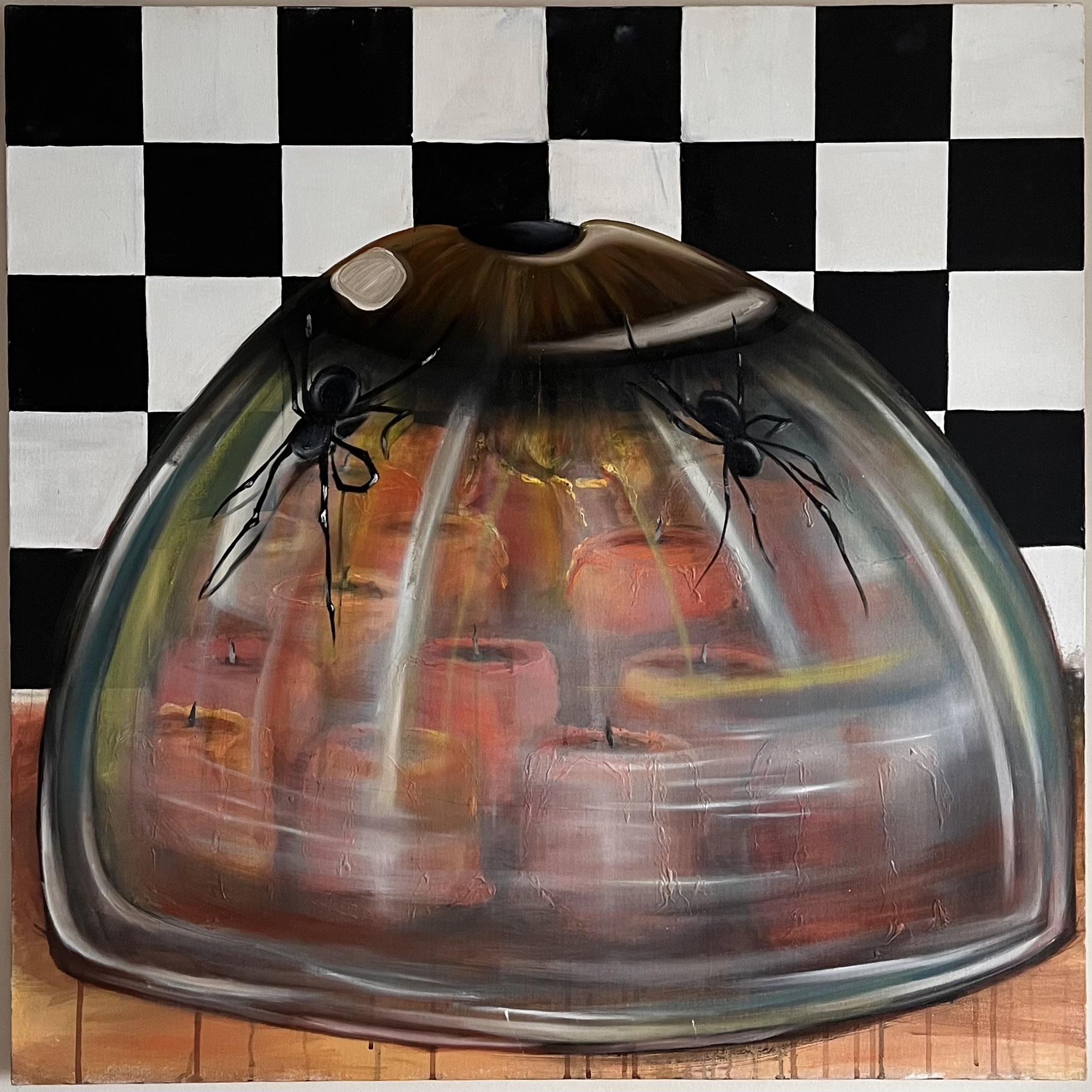
Nature no longer has its own order; it has become a space determined by humans. As a significant consequence of the Anthropocene, nature has been geographically fragmented; Roads, cities, dams, mining sites, and agricultural fields have separated ecosystems, creating isolated islands. While wild animals still exist, they now mostly live within human-defined boundaries; these boundaries are made visible through national parks, zoos, conservation areas, representational systems, documentaries, advertisements, brands, and symbols. The exhibition "At the Edge of Nature 2023-2024" visually expresses this transformation. The lion figures in the paintings are placed in small, confined spaces within vast landscapes; this placement demonstrates that they are no longer in their natural habitats but are forced to exist in spaces constricted by humans.
"At the Edge of Nature II"
2024, Acrylic on Canvas, 60x60 cm